
The Daily Geopolitics Brief # 3
The Daily Geopolitics Brief # 3 - Pakistan mediates, Gulf tensions rise, Israel’s defenses falter, North Korea hardens nuclear stance, and oil tightens—reshaping global power dynamics with major implications for India.
What this signals: While US-Iran diplomacy occupies every headline, Kim chose today to declare North Korea's nuclear status "irreversible" – using the Iran war as proof that only nuclear deterrence guarantees national survival. He did not name Trump. He left the door open. But the constitutional amendments ratified Monday formalize North Korea as a permanent nuclear state. Kim is not watching the Iran war from the sidelines; he is reading it as the definitive argument for his own doctrine.
#1: Pakistan steps in - The Islamabad Gambit and the Fail
Pakistan Army Chief Field Marshal Asim Munir spoke directly with Trump on Monday. Prime Minister Shehbaz Sharif then called Iranian President Pezeshkian. Foreign Minister Ishaq Dar separately called his Iranian and Turkish counterparts. Pakistan's Foreign Ministry confirmed publicly it is prepared to host US-Iran talks in Islamabad. Anadolu Agency, citing Pakistani ministry sources, reported a US delegation – likely Witkoff and Kushner – is due "in a day or two."
The architecture: Pakistan, Turkey, and Egypt are coordinating jointly, not as individual go-betweens but as a structured trilateral. Bloomberg confirmed Munir's call with Trump.
Iran's Foreign Ministry confirmed it had received "messages via friendly countries." Two formats are reportedly on the table: (1) FM Araghchi meeting Witkoff and Kushner; (2) VP JD Vance meeting IRGC-linked figure Ghalibaf.
Pakistan’s prime minister, Shehbaz Sharif, says his country is ready to “facilitate meaningful and conclusive talks” to end the war in the Middle East amid attempts to push Islamabad as a possible venue for negotiations between the US and Iran. Pakistani sources said the US vice-president, JD Vance, was being put forward as a probable chief negotiator from the US side if talks went ahead. Iranian sources have said they would refuse to sit down with Trump’s Middle East envoy, Steve Witkoff, or Trump’s son-in-law Jared Kushner, who led the nuclear negotiations with Iran before the war. Officials in Pakistan said the US and Iran could meet for negotiations in Islamabad as early as this week to discuss an end to the war, which began almost a month ago. Sources said Iran’s parliamentary speaker, Mohammad Bagher Ghalibaf, was the most likely to lead any talks from the Iranian side. However, Ghalibaf has so far dismissed reports of talks between the two sides as “fake news”. (Source: JD Vance role touted as Pakistan attempts to broker US-Iran peace talks / The Guardian)
The constraint: Iran is "still not ready" to talk directly, per Pakistani ministry sources. The trust deficit is total – Iran watched the US continue bombing Tehran while Trump announced "productive talks."
#2: Saudi Arabia and UAE inch toward the War - King Fahd Air Base opens
The Wall Street Journal reported Tuesday that Saudi Arabia has agreed to allow US forces to use King Fahd Air Base -- a reversal of its prior public position. The UAE has simultaneously begun shutting down Iranian-linked institutions in Dubai and threatening to freeze billions in Iranian assets.
Saudi FM Faisal bin Farhan: "Saudi Arabia's patience with Iranian attacks is not unlimited. Any belief that Gulf countries are incapable of responding is a miscalculation."
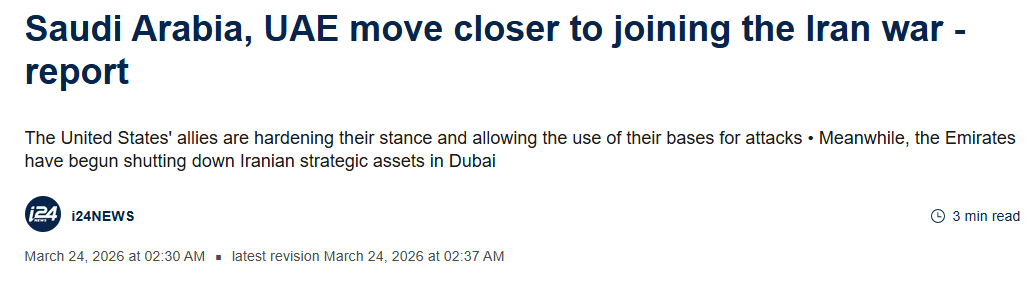
UAE context: Since the war began, UAE air defense has engaged 357 ballistic missiles, 15 cruise missiles, and 1,806 UAVs. The closure of Iranian-owned institutions in Dubai targets the financial lifeline Iran uses to move money through the global system.
#3: Israel's David's Sling failed - Two Ballistic Missiles hit Dimona Area
Israel's David's Sling aerial defense system malfunctioned over the weekend, allowing two Iranian ballistic missiles to strike Dimona and Arad in southern Israel. The military chose David's Sling over the costlier Arrow-3 system -- a cost-optimization decision that proved consequential.
Dimona is the location of Israel's undeclared nuclear arsenal. An Iranian ballistic missile hitting Dimona – even without a nuclear warhead – is one of the most significant developments of the war.
A malfunction in the David’s Sling aerial interceptor system allowed two Iranian ballistic missiles to strike southern Israel, wounding dozens of people over the weekend, the military confirmed Monday. The towns of Dimona and Arad were hit on Saturday evening, with the former widely believed to hold Israel’s undeclared nuclear arsenal. (Source: The Defense Post)
IDF simultaneously announced: Operation Roaring Lion has now struck over 3,000 targets in Iran since February 28, including two additional nuclear scientists eliminated.
 JNS Staff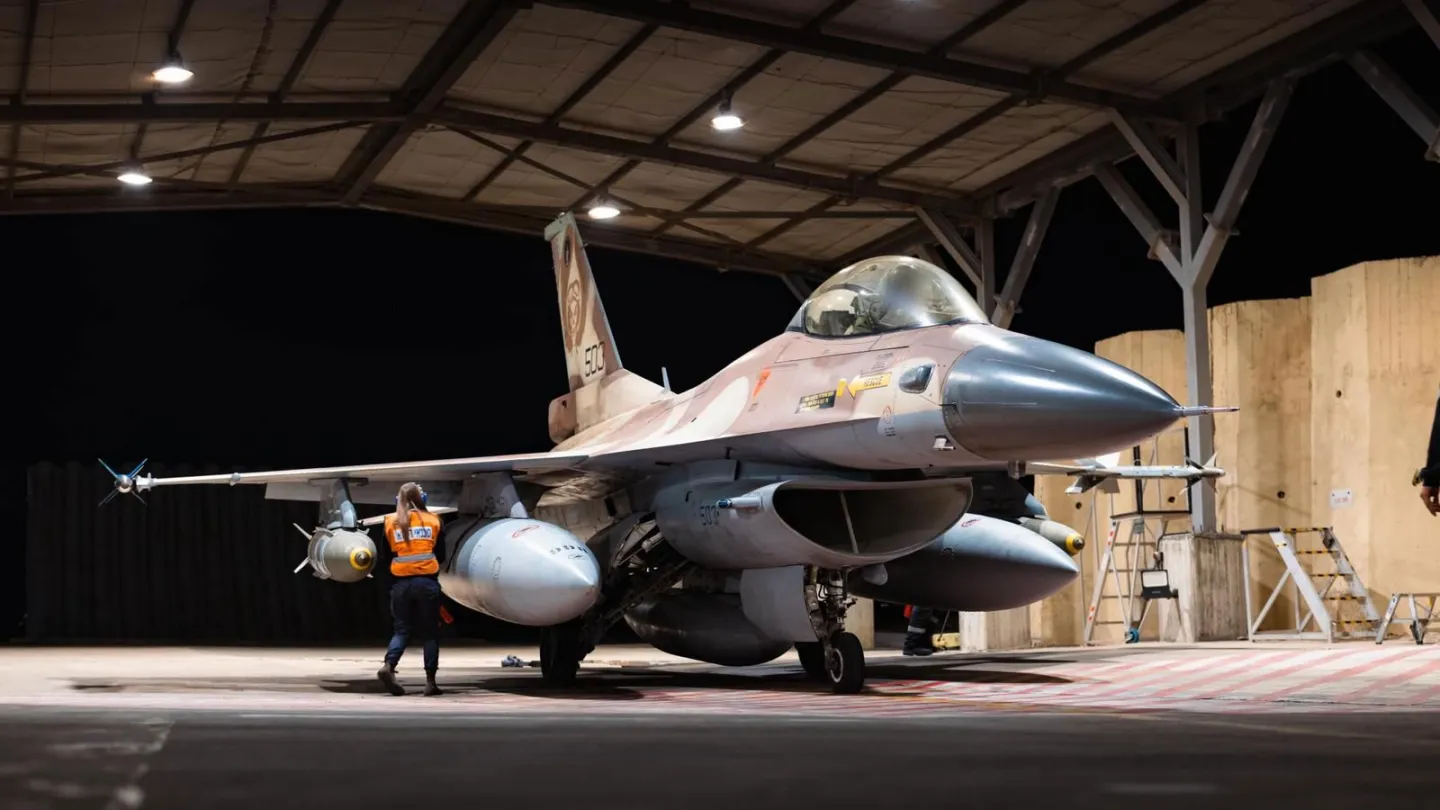
#4: Kim Jong Un declares Nuclear Status Irreversible - Uses Iran War as proof
Kim Jong Un addressed North Korea's Supreme People's Assembly on Monday, vowing to "irreversibly" cement North Korea's nuclear status. He accused the US of "state terrorism and aggression" – a direct reference to the Iran war. Constitutional amendments were ratified, formalizing the nuclear state designation.
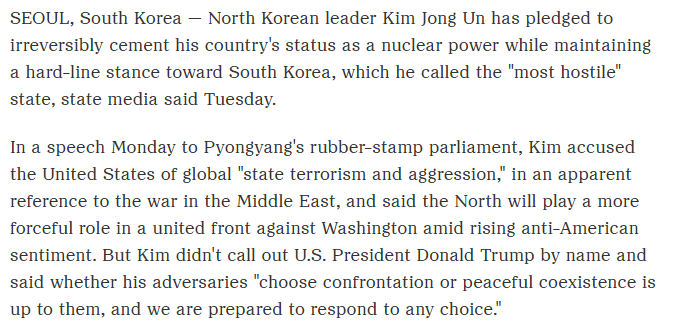
Critical nuance: Kim did not name Trump. He left the door open for dialogue – "the decision for confrontation or peaceful coexistence rests with adversaries." The Iran war has given him the perfect rhetorical backdrop: look what happens to countries that did not have nuclear weapons.
#5: Oil recovers to WTI $91/Brent $99 - but 3000 ships stranded
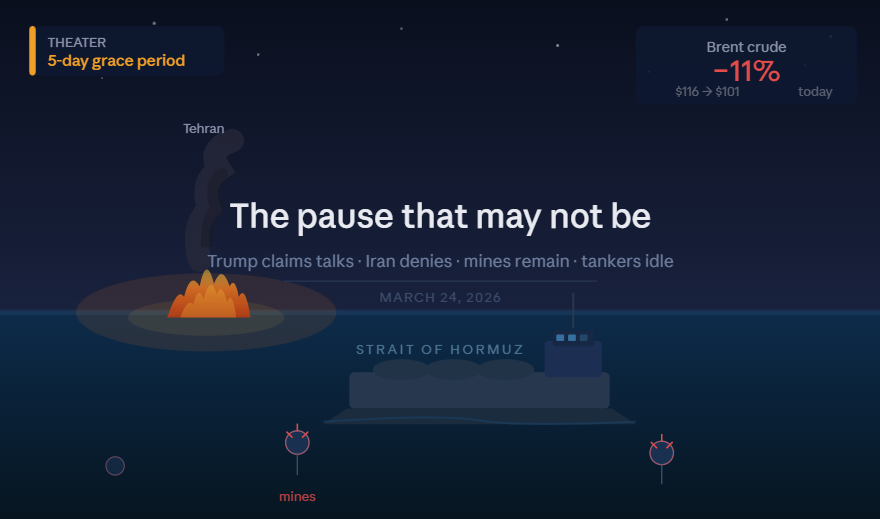
WTI crude recovered to $91.27 on Tuesday – up 3.5% from Monday's low – as markets responded to Pakistan's mediation announcement. Brent climbed above $99. But the physical picture remains unchanged: approximately 3,000 ships are stranded as the war in the Middle East continues to escalate. Hormuz traffic is down 70% from pre-war levels.

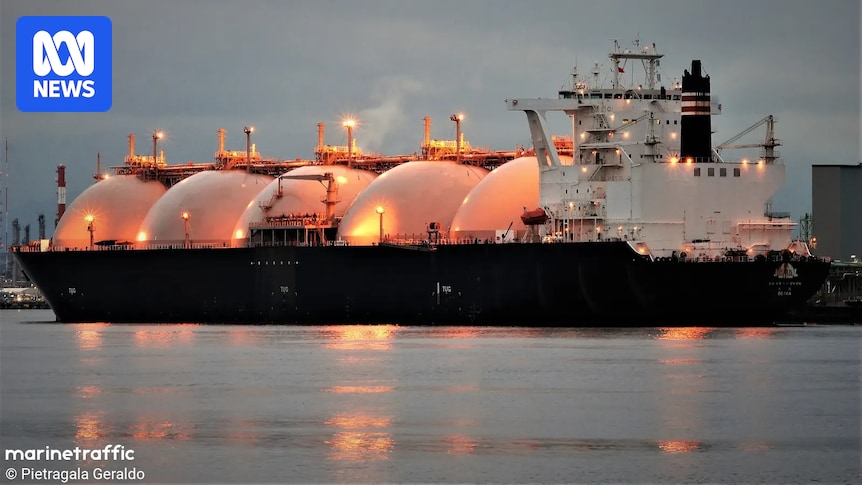
IEA approved a coordinated release of 400 million barrels from strategic reserves. The FX Leaders analysis: if the March 28 deadline expires without a deal, WTI returns quickly to $107.
The gap between what's being said and what's actually happening is the most dangerous space in geopolitics right now.
This brief exists to live in that gap — not to pick a side, but to tell you which facts are settled, which are theater, and which you need to watch.
The goal is simple: to be the one thing in your inbox that you trust to tell you what's actually happening.
Daily. Free for now, with a paid tier coming for deeper analysis.
If you know someone who needs to read past the noise, send it to them.
Comments ()