
The Long Game: How America Built Its Greatest Rival
What started as a geopolitical stratagem during the Cold War of propping an adversary for their adversary (USSR), US create the powerhouse called China. Today China outcompetes US in every strategic technology. How did this happen?
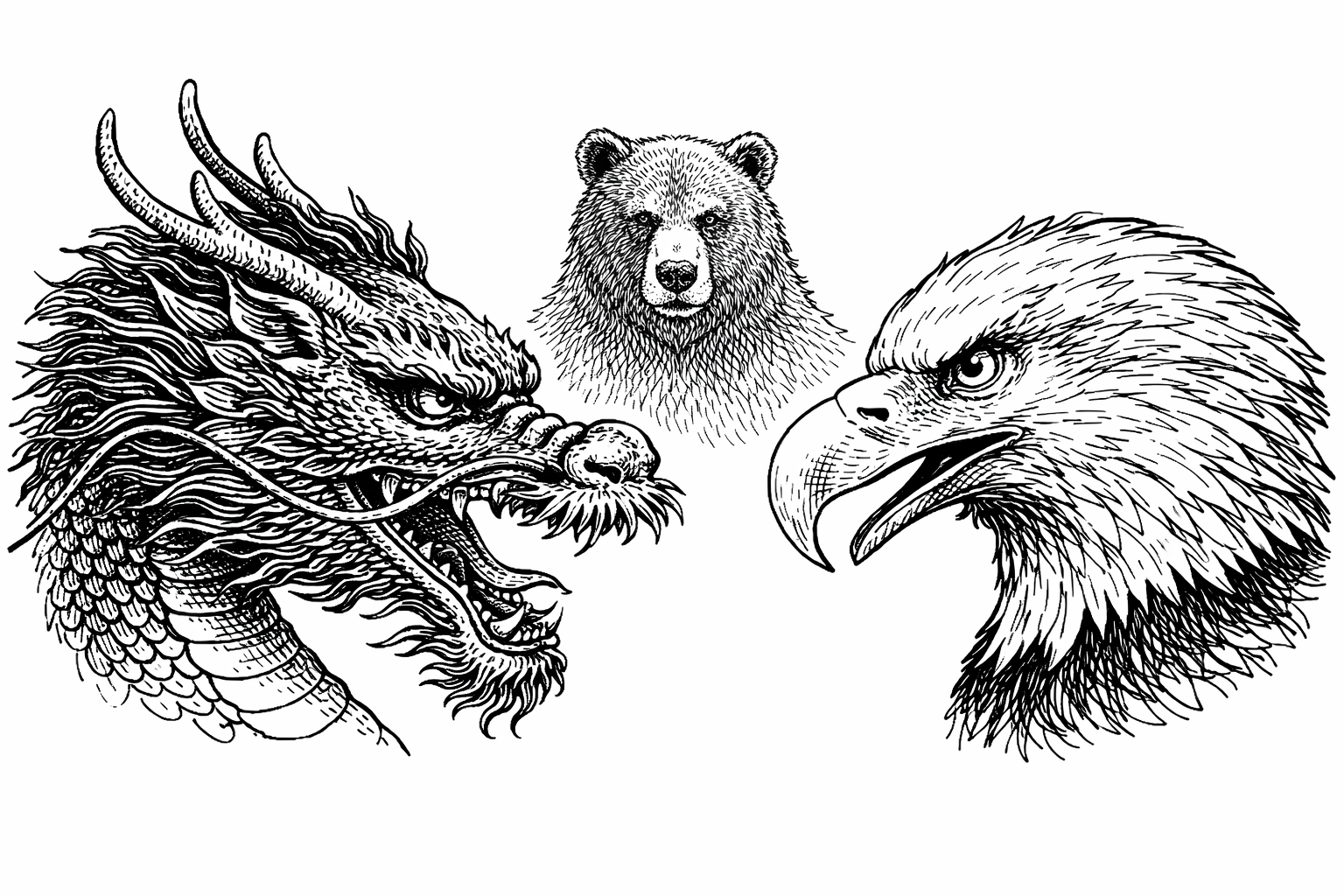
The Valley of Three Peaks
In a vast valley where trade winds carried caravans and whispers across continents, three great peaks watched one another from afar.
The first was Eagle Peak. Its slopes were alive with merchants, scholars, and inventors. Rivers of trade flowed down its valleys, and ships from distant lands gathered at its ports. For many years Eagle Peak stood taller than the others, confident in its strength and admired for the prosperity around it.
To the east stood Dragon Peak. For a long time, it had been wrapped in mist. Travelers spoke of ancient civilizations that once flourished there, but in recent centuries, its villages had struggled through turmoil and hardship. Dragon Peak was quiet, but beneath its clouds lay vast plains and countless people waiting for renewal.
To the north rose Bear Peak. Broad and imposing, it had long cast a shadow across the valley. Its winds were cold and powerful, and for generations, many believed Bear Peak would one day dominate the entire landscape.
For years Eagle Peak and Bear Peak watched each other warily across the valley. Their winds clashed, their storms collided, and each tried to prevent the other from expanding its reach.
Dragon Peak observed silently.
The Opening
One day, Eagle Peak noticed that Dragon Peak and Bear Peak had begun to quarrel.
The ground between them trembled with arguments over doctrine and direction. Their storms no longer moved together.
Eagle Peak saw an opportunity.
So it sent a careful traveler across the narrow mountain paths to Dragon Peak. The traveler spoke not of friendship but of balance.
“The northern winds grow too strong,” he said. “Perhaps we should speak.”
Dragon Peak listened quietly. After a long silence it replied:
“The wind from the north troubles us as well.”
A narrow path opened between the two peaks.
Caravans soon began to move through the valley.
The Years of Learning
At first, the exchange was small.
Merchants from Eagle Peak brought tools, machines, and knowledge. In return, Dragon Peak offered labor, patience, and discipline.
Factories began to appear in Dragon’s valleys.
Roads connected its villages.
Ships began leaving its ports carrying goods to every corner of the world.
The markets of Eagle Peak were filled with objects made on Dragon Peak—clothing, tools, electronics, toys.
Eagle Peak believed the exchange would transform Dragon Peak.
“If Dragon grows prosperous,” it thought, “it will become more like us.”
Dragon Peak thought differently.
“If we learn from Eagle,” it said quietly to itself, “we will grow strong.”
Meanwhile, Bear Peak weakened. A great fracture appeared across its slopes, and many of its surrounding ridges broke away.
For a time, Eagle Peak stood alone as the tallest peak in the valley.
The Quiet Rise
But Dragon Peak continued to change.
Year after year its cities expanded. Its workshops multiplied. Its engineers mastered new crafts.
Its merchants grew confident.
Soon travelers noticed something remarkable.
The goods flowing from Dragon Peak began shaping the entire valley. Supply routes converged there. Ports grew larger. Industrial towns emerged like forests after rain.
Eagle Peak began to notice the change.
“What was once quiet has become powerful,” it said.
Dragon Peak answered calmly:
“We simply walked the road that was opened.”
The Bear Returns
Far to the north, Bear Peak slowly gathered strength again.
Though no longer as dominant as before, it remained formidable. Its forests still held vast resources, and its winds still carried great force.
Bear Peak began speaking with Dragon Peak more frequently.
They shared concerns about the valley’s balance.
They also understood that Eagle Peak still commanded immense influence.
Their conversations were careful but steady.
The Valley Divides
As years passed, the caravans flowing through the valley began to shift.
Eagle Peak started guarding certain paths—especially those carrying the most advanced tools and machines.
Dragon Peak responded by building new workshops and inventing its own technologies.
Gradually, two different networks of trade emerged.
One centered around Eagle Peak.
The other around Dragon Peak.
Smaller hills and distant lands found themselves choosing which paths to follow.
At times Bear Peak stirred the winds in distant plains, drawing Eagle Peak’s attention away from Dragon Peak’s eastern waters.
The balance of the valley became more complex.
The Monk on the Hill
High above the valley lived an old monk who watched the three peaks for many years.
One evening a young traveler climbed the hill and asked:
“Master, which peak will dominate the valley?”
The monk poured tea and gazed at the distant mountains.
Then he said quietly:
“Long ago Eagle Peak opened the path to Dragon Peak to balance Bear Peak.”
“Dragon Peak walked that path patiently and learned the ways of the valley.”
“Bear Peak, though wounded, never vanished.”
The traveler asked again:
“So who will prevail?”
The monk smiled.
“In a valley of great peaks, victory rarely belongs to one alone.”
“More often, the mountains move slowly until a new balance emerges.”
He pointed toward the horizon where Eagle, Dragon, and Bear stood beneath the evening sky.
“The valley is still shifting,” he said.
“And the story is not yet finished.”
World Today: An Echo from the Past
The wars unfolding around us today carry a strange echo from history.
In Ukraine, the West has poured enormous financial, military, and intelligence resources into a prolonged confrontation with Russia. In the Middle East, the crisis involving Iran has exposed the limits of military deterrence in an era where missiles, drones, and proxy warfare blur the line between conventional and asymmetric conflict.
In both theaters, a common theme is emerging: the global order built after the Cold War is under stress.
But beneath these crises lies a deeper, older question. One that stretches back more than half a century.
How did we get here?
In the early 1970s, Washington and Beijing were not natural partners. They were ideological adversaries. Mao Zedong’s China had fought U.S. forces in Korea. For two decades the two countries barely spoke to each other.
Henry Kissinger’s secret July 1971 trip to Beijing, code-named "Operation Polo," was a watershed diplomatic mission that reopened relations between the U.S. and China.
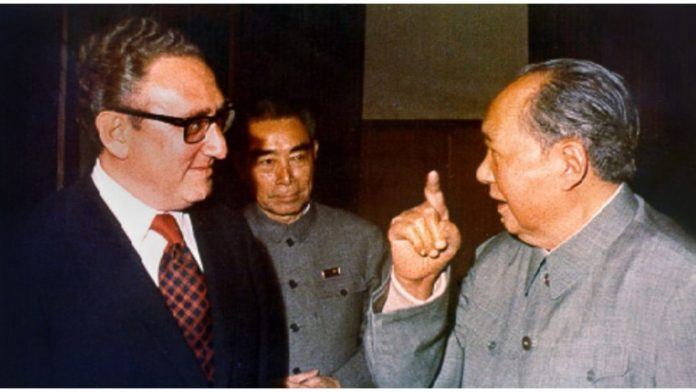
Kissinger's meeting was a success.
“Eureka!” This was the one-word telegram sent to President Richard Nixon by his National Security Advisor Henry Kissinger as the latter made his way back from top-secret talks with Chinese leaders on July 9-11, 1971. Kissinger’s visit had evidently gone very well from his perspective. His boss, a right-wing anti-communist warmonger, was playing for high stakes with these covert approaches to Mao Zedong’s Stalinist regime. (Source: 1971: Kissinger’s Secret Visit to China / Socialist Alternative)
It paved the way for President Nixon’s 1972 visit.
And the stage was set for the most dramatic diplomatic breakthroughs of the Cold War.
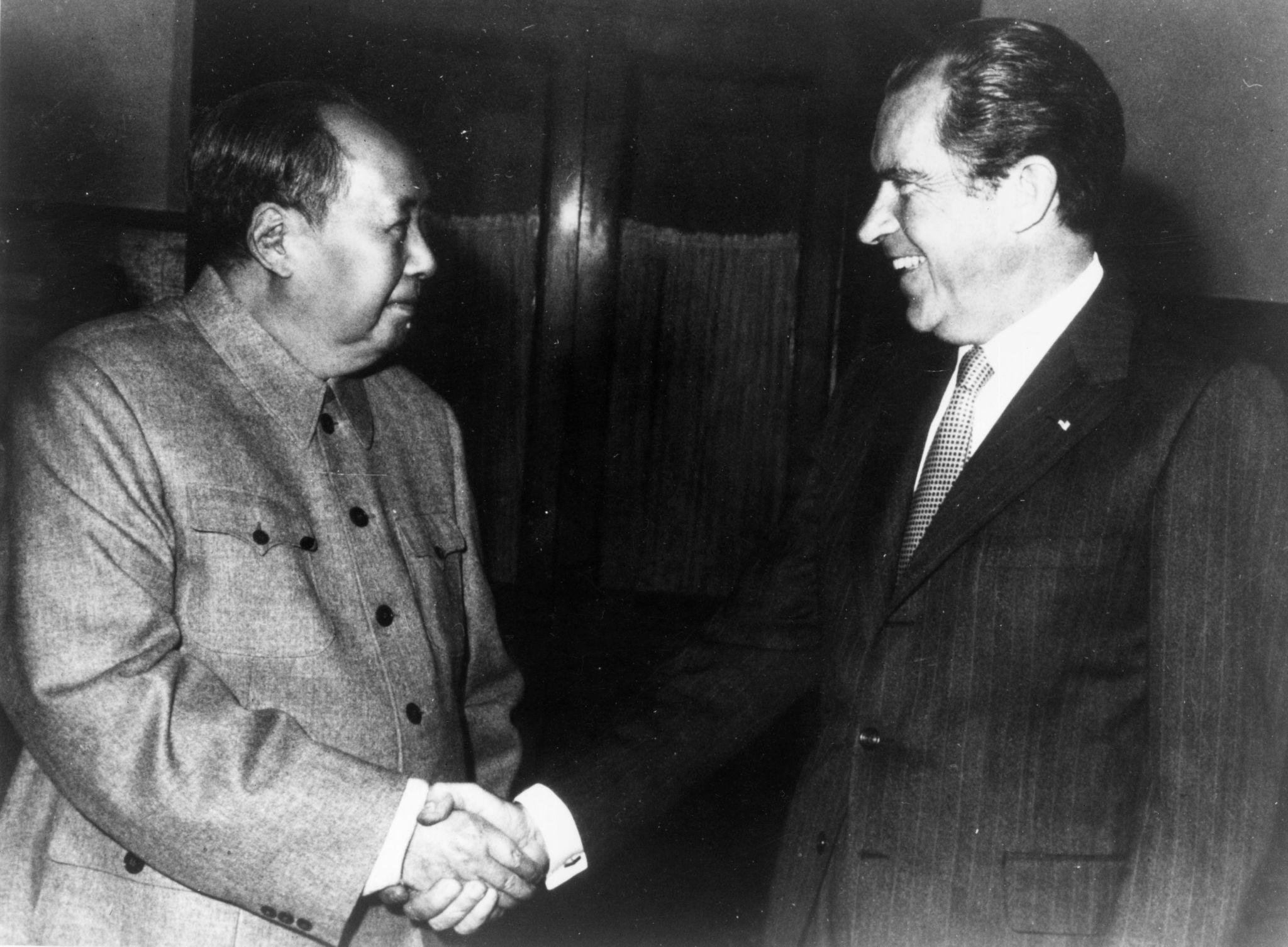
The goal was simple and brutally strategic: to reshape the global balance of power by aligning China with the United States against the Soviet Union.
The outcome was "The Shanghai Communique."
On February 28, 1972, the final day of Richard Nixon's historic visit to China, a single document quietly dismantled 23 years of diplomatic silence between Washington and Beijing. The Shanghai Communiqué was not a treaty or an alliance — it was something more subtle and, in many ways, more consequential.
At its core, the Communiqué was a framework for cautious coexistence. Both sides agreed to work toward normalizing relations, expanding trade, and building cultural and diplomatic contacts — incremental steps that would slowly thaw one of the Cold War's most frozen standoffs. But the most delicate language concerned Taiwan.
The United States acknowledged the Chinese position that there is one China and Taiwan is part of it, without formally endorsing it. That deliberate ambiguity, crafted word by careful word, became the diplomatic tightrope American foreign policy has walked ever since.
Equally significant was the communiqué's joint opposition to hegemony in Asia — diplomatic code that everyone understood to mean the Soviet Union. In a single stroke, Nixon and Kissinger had introduced a triangular dynamic into Cold War geopolitics, using Beijing as a counterweight to Moscow. The document's genius lay in what it left unresolved. By allowing each side to interpret key points through its own lens, it made agreement possible where none seemed likely. The Shanghai Communiqué didn't resolve the U.S.–China rivalry. It managed it, and in doing so, reshaped the entire architecture of global power.
Nixon and Kissinger believed they were creating a triangular balance of power—playing China against the Soviet Union and the Soviet Union against China, while positioning the United States as the decisive third corner of the triangle.
In the short term, the strategy worked.
The rapprochement helped isolate Moscow, altered Cold War dynamics, and eventually opened the door to China’s integration into the global economy. The diplomatic thaw culminated in the Shanghai Communiqué of 1972 and, later, full diplomatic normalization between the two countries.
But what began as a tactical maneuver against the Soviet Union gradually became something much larger.
Over the next five decades, the United States not only normalized relations with China but also helped integrate China into the global economic system.
American companies invested heavily in Chinese manufacturing. Western markets opened to Chinese exports. Chinese students and researchers flowed into American universities. Global institutions—from the World Bank to the WTO—became platforms for China’s economic expansion.
By the early twenty-first century, China had transformed from an isolated revolutionary state into the world’s second-largest economy and a rising military power.
Today, the United States and China are locked in a strategic competition that spans trade, technology, military power, and global influence.
Which raises a question that historians and strategists increasingly grapple with.
Was this outcome inevitable?
Or was it the unintended consequence of a grand geopolitical gamble?
Did Washington underestimate China’s long-term ambitions while pursuing short-term strategic advantages during the Cold War?
Or was China simply more patient—using the openness of the American-led global system to rise quietly until it possessed the strength to challenge that very system?
There is also a more uncomfortable possibility.
What if the United States did not merely tolerate China’s rise—but actively enabled it?
This raises a hypothesis worth examining carefully.
And the question we must ask now is simple, but unsettling.
- Was this the greatest strategic masterstroke of the Cold War?
- Or one of the greatest miscalculations in the history of geopolitics?
Never before has a sitting world power probably enabled its competitor to rise and threaten it, as the US did for China and China did to the US.
Understanding China's Rise
History sometimes moves without fanfare. No single declaration signals the turning point. No single battle marks the shift in power. Instead, decisions accumulate quietly — each one rational in its own time, each one defensible at its own moment — until one day the world wakes up to discover that the balance of power has shifted in ways that would have seemed unthinkable a generation earlier.
The rise of China may be the most consequential such transformation of the modern era.
For much of the twentieth century, China was poor, isolated, and largely locked out of the global system. By the early twenty-first century, it had become the world's second-largest economy, the largest manufacturing base, and a comprehensive geopolitical rival to the United States across trade, technology, military capability, and global influence.
But the story of China's rise cannot be understood without considering two other powers: the United States, which enabled it, and the Soviet Union — and later Russia — that made it necessary.
The Cold War triangle of Washington, Moscow, and Beijing did not dissolve when the Berlin Wall fell. It morphed, shifted shape, and is now reasserting itself in new and dangerous ways. To understand the present, we must go back to the beginning.
The Cold War Triangle: Fear as Strategy
The opening to China was not born of admiration. It was born of fear.
Of the Soviet Union.
By the late 1960s, the Cold War appeared to be reaching a strategic inflection point. The Soviet Union had achieved rough nuclear parity with the United States. The Vietnam War was draining American resources and credibility.
And something remarkable had happened within the communist world: the Sino-Soviet alliance had collapsed.
To understand the events that unfolded further, one needs to fully grasp why the Sino-Soviet split occurred.
The Sino-Soviet Split
The Sino–Soviet split was the progressive deterioration of relations between the People's Republic of China and the Soviet Union during the Cold War. Although both states were formally committed to Marxism–Leninism, their relationship fractured in the late 1950s and early 1960s due to deep ideological, strategic, and geopolitical differences.
At the ideological level, the dispute emerged from conflicting interpretations of Marxist–Leninist doctrine.
Strategic tensions compounded these doctrinal disputes. Beijing adopted a more militant posture toward the Western bloc, while Moscow increasingly favored diplomatic engagement and nuclear restraint. At the same time, China grew suspicious of the Soviet Union’s expanding relations with India, especially in light of the Sino-Indian border conflict of the early 1960s. Conversely, Soviet leaders regarded Mao’s rhetoric about revolutionary struggle and nuclear confrontation as dangerously reckless.
By 1961, the ideological rupture had become explicit. The Chinese Communist Party formally denounced Soviet communism as “revisionist,” while Soviet officials criticized China’s radical domestic campaigns and the turmoil of the Cultural Revolution. Beyond ideology, the split also reflected a broader struggle for leadership within the global communist movement. Both Beijing and Moscow sought to influence revolutionary parties across Asia, Africa, and Latin America, competing for political loyalty, material assistance, and ideological authority.
Window of Opportunity
Henry Kissinger and Richard Nixon saw in this split an extraordinary strategic opportunity. Kissinger's conceptual framework — later described in his book On China — was elegant in its simplicity: use the triangular geometry of great power politics to play Moscow and Beijing against each other.
This is precisely what led to Nixon's historic visit to Beijing in February 1972, and the Shanghai Communiqué, in which the United States and the People's Republic of China agreed to gradually normalize relations despite their deep differences.
From Washington's perspective, China was not a long-term partner. It was a tactical counterweight — a way to complicate Soviet strategic calculations and pressure Moscow from a second direction.
The gamble seemed worthwhile. The Soviets, alarmed by Sino-American rapprochement, accelerated their own negotiations with Washington — yielding the SALT I arms control agreement and a broader detente. The US had used China as leverage against Moscow, and it had worked.
What no one in 1972 could fully compute was the compounding effect of this decision over decades. They had cracked open the door to Beijing. What would eventually walk through that door was far larger than anyone had imagined.
Deng's Revolution: The Economic Transformation Begins
When Mao Zedong died in 1976, China was deeply impoverished. Its GDP stood at roughly $153 billion in nominal terms — smaller than the Netherlands. The Cultural Revolution (1966–76) had devastated its intellectual class, disrupted economic development, and isolated it from global flows of capital and technology.
The man who reversed this trajectory was Deng Xiaoping, who consolidated power after 1978 and launched what may be the most consequential economic reform program in human history. Deng's pragmatism was summed up in his famous aphorism:
"It doesn't matter whether a cat is black or white, as long as it catches mice."
Political control would remain absolute; everything else was negotiable.
Western corporations responded with enormous enthusiasm. China offered what no other country could match at comparable scale:
- a vast, disciplined, and rapidly improving labor force;
- a government willing to suppress wages, subsidize energy, and aggressively support industrial development; and
- a growing market of over one billion consumers.
By the 1980s and into the 1990s, Western capital and Chinese manufacturing capacity began to fuse in a relationship that would reshape global supply chains.
American companies — in electronics, apparel, furniture, machinery — discovered that China could produce goods at a fraction of domestic costs. The economic logic was powerful, and it aligned corporate interest with the prevailing political strategy of engagement.
No other example could establish this as well as Walmart's rise and use of China to fuel that unprecedented growth.
Abigail Goldman and Nancy Cleeland and wrote a series in 2003 and won the 2004 Pulitzer Prize for National Reporting for it. Their reporting highlighted Walmart's massive influence on global labor and trade, specifically its role as a major importer of Chinese goods.
Walmart stands out as a case study.
CASE STUDY: Walmart and China - How Retail Power Reshaped Global Manufacturing
The Model Behind the Machine: Walmart's rise as one of the largest importers of Chinese goods was never a deliberate geopolitical act — it was the inevitable product of a single-minded business philosophy: deliver the lowest possible prices through relentless supply chain optimization. As China accelerated its market reforms through the 1990s, Walmart's sourcing teams found an ideal partner. Chinese factories offered the scale, cost discipline, and production capacity that perfectly matched Walmart's procurement demands. The relationship grew with startling speed.
By the mid-2000s, Walmart accounted for over 15% of all U.S. consumer-goods imports from China — a share so large that analysts at the Economic Policy Institute and LSE researchers noted it exceeded the import rate of the entire retail sector combined, effectively making Walmart a trade partner of China in its own right.
The volume that Walmart was able to get from China was phenomenal.
Building the Infrastructure of Dependence: To manage this vast sourcing operation, Walmart established dedicated procurement offices across China — most notably in Shenzhen and Guangdong province's broader manufacturing belt. These offices weren't passive order-takers. They functioned as active coordination hubs, managing thousands of supplier relationships while transmitting American consumer demand directly into Chinese factory floors. The result was a tightly integrated pipeline connecting a shopper in Arkansas to a factory worker in Dongguan.
Reshaping China's Industrial Geography: The deeper story is what Walmart's purchasing requirements did to China's physical industrial landscape. Because Walmart rewarded suppliers capable of high-volume, low-cost, logistically reliable production, Chinese manufacturers responded by clustering together. Component makers, assemblers, packaging firms, and export agents co-located in dense industrial districts, sharing infrastructure and labor pools to drive costs down further.
The Pearl River Delta became the most vivid example of this transformation. What had once been agricultural land evolved into one of the most productive manufacturing ecosystems in human history — producing everything from toys and textiles to electronics and appliances. Walmart didn't build these clusters directly, but its procurement model created the incentive structure that made them inevitable.
A Mutually Reinforcing Lock-In: Over time, the relationship became structurally self-reinforcing. Walmart needed China's manufacturing depth to sustain its low-price promise to American consumers. Chinese factories needed Walmart's enormous, predictable order volumes to justify expanding capacity. Each party's success deepened its dependence on the other.
This dynamic illustrates a broader principle in global supply chain strategy: at sufficient scale, a single buyer can reshape an entire industrial region's organization, specialization, and geography.
But here a critical asymmetry must be noted: while American firms saw China as a production location and market opportunity, Beijing saw foreign investment as a technology acquisition program. Every joint venture came with a requirement to share intellectual property. Every foreign factory trained Chinese engineers. Every imported production line was eventually reverse-engineered. Deng understood that industrialization without technology mastery was dependency. China was not merely catching up. It was learning how to replace.
The Soviet Collapse and the Liberal Miscalculation
When the Soviet Union dissolved in December 1991, many in Washington drew a sweeping conclusion: the contest of systems was over. Liberal democracy and market capitalism had won. The ideological arc of history was bending toward Western norms.
This was not mere triumphalism. It was a strategic premise that restructured American foreign policy for the next three decades. If liberal capitalism was the universal endpoint of modern political development, then the task of American strategy was simply to accelerate the integration of remaining holdouts — Russia, China, and others — into the liberal international order.
China became the most important test case of this theory. President Bill Clinton articulated the premise clearly during the congressional debate over granting China Permanent Normal Trade Relations (PNTR) in 2000: "By bringing China into the global trading system, we are supporting the forces of openness and reform inside China."
The logic was coherent and, at the time, broadly accepted across the political spectrum:
- Economic growth would create a Chinese middle class.
- The middle class would eventually demand political accountability.
- Integration into WTO rules and global institutions would socialize China into the norms of the existing international order.
- In short, commerce would do what containment could not.
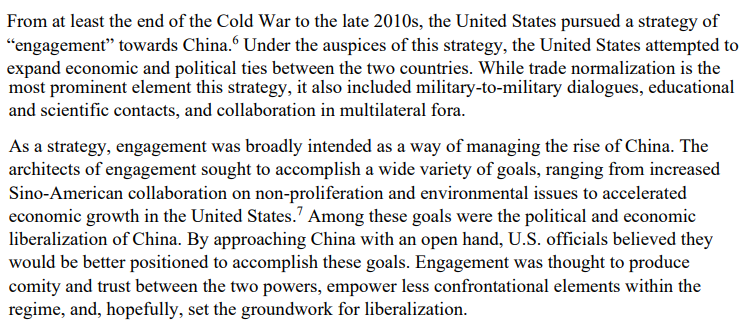
This theory had deep roots in modernization theory, liberal economics, and the historical experience of post-war Japan, South Korea, and Taiwan — all of which had transitioned from authoritarianism to democracy roughly in tandem with economic development.
One must, however remember, that this transformation was driven by direct occupation in Japan and heavy military/economic aid in South Korea.
What policymakers underweighted was that those transitions had happened under American security and ideological dominance, in frontline Cold War states where the US had exceptional leverage. China was different in scale, in strategic weight, and in the depth of the Communist Party's organizational roots.
Still, the liberal engagement bet became bipartisan orthodoxy. It would remain so — despite repeated evidence to the contrary — until the late 2010s.
The WTO Decision: Institutionalizing the Ascent
The defining institutional act of this strategy came in December 2001, when China formally acceded to the World Trade Organization. This single decision, more than any other, transformed China's trajectory from regional power to global economic behemoth.
Why?
WTO membership gave China guaranteed market access to every major economy on Earth, while the WTO's dispute-resolution architecture was too slow and narrow to address China's systemic trade practices, including currency undervaluation, state subsidies, forced technology transfer, and intellectual property theft.
China gained the benefits of the rules-based order without having to genuinely conform to its deeper disciplines.
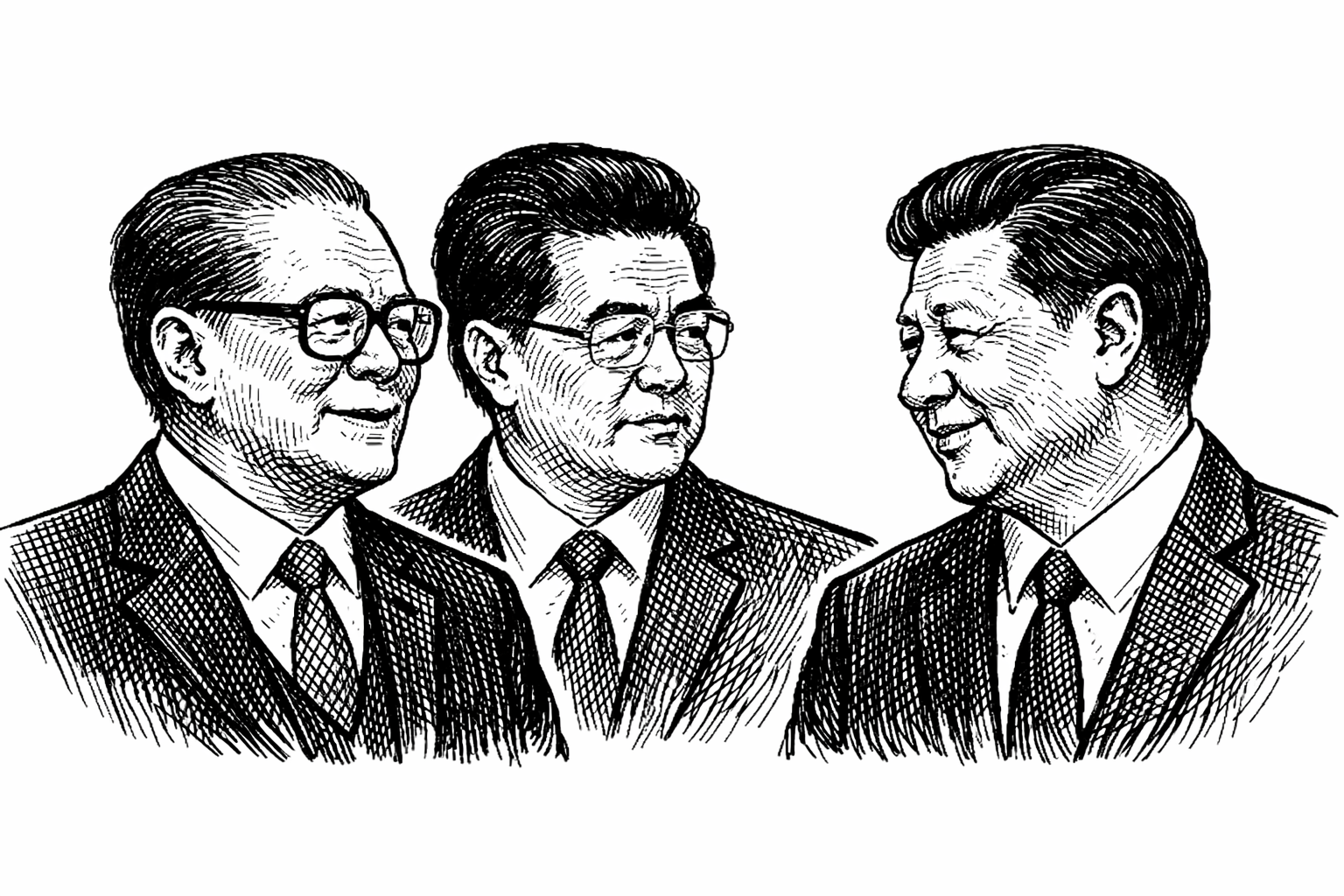
Growth in China was unprecedented.
American consumers benefited from dramatically cheaper goods. Retail corporations built global supply chains anchored in Chinese factories. Technology companies gained manufacturing scale impossible to achieve domestically. The economic relationship deepened with every passing year.
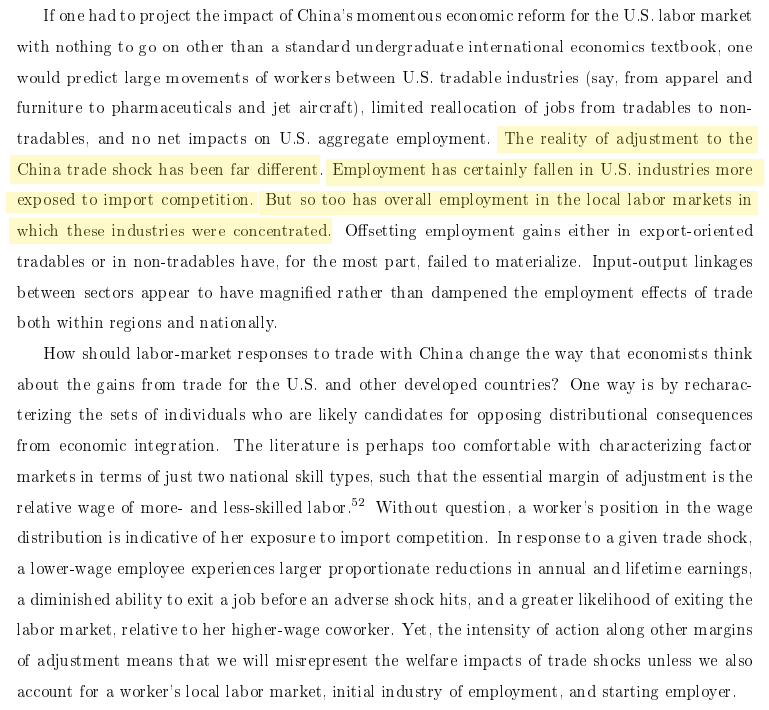
But as economists David Autor, David Dorn, and Gordon Hanson documented in their landmark research on the "China Shock," the gains were distributed unevenly. Trade with China after WTO entry had a "substantial impact on U.S. manufacturing employment and wages," particularly in communities whose industrial base was directly exposed to Chinese import competition. Hundreds of thousands of manufacturing jobs disappeared. The political and social consequences of this dislocation would eventually erupt in the 2016 election and the years that followed.
A legal-policy review later concluded bluntly that, from a US strategic perspective, China's WTO accession had been a "failure" relative to the expectations that justified it — not in economic terms for American firms in aggregate, but in terms of the political and systemic transformation that was supposed to follow. Instead of moving toward rules-based behavior, China had mastered how to use the rules instrumentally while retaining the state-capitalist system underneath.
The Lobbying System: America's Openness as a Weapon
One of the most underappreciated dimensions of China's rise is how Beijing and its affiliated interests systematically exploited the openness of American politics — specifically the lobbying system, think tank ecosystem, and corporate political activity — to shape US policy to China's advantage.
This is not a conspiracy theory. It is a documented feature of pluralist democratic politics applied to foreign policy. The Congressional Research Service's 2000 study of US-China policy from 1989 to 2000 documents in detail how the annual MFN renewal battles were shaped by competing interest group coalitions. On one side: human rights organizations, Tibetan advocacy groups, Taiwan's supporters, and some labor unions. On the other hand, the Business Roundtable, the National Retail Federation, agricultural exporters, and financial institutions have enormous stakes in access to China.
The second coalition was better funded, better organized, and — crucially — spoke the language of jobs and competitiveness that resonated in congressional districts across the country. Arguments framed as "American business interests" or "global competitiveness" could align perfectly with Beijing's preferences without requiring anyone to openly advocate for Chinese positions.
Chinese state-linked entities and corporations also cultivated relationships with American universities, think tanks, and consulting firms — creating networks of influence that further reinforced the engagement consensus. Major law and consulting firms with significant China revenue were represented in Washington policy debates. Former officials rotated into advisory roles with companies dependent on China access. The incentive architecture of elite Washington quietly aligned with continued engagement.
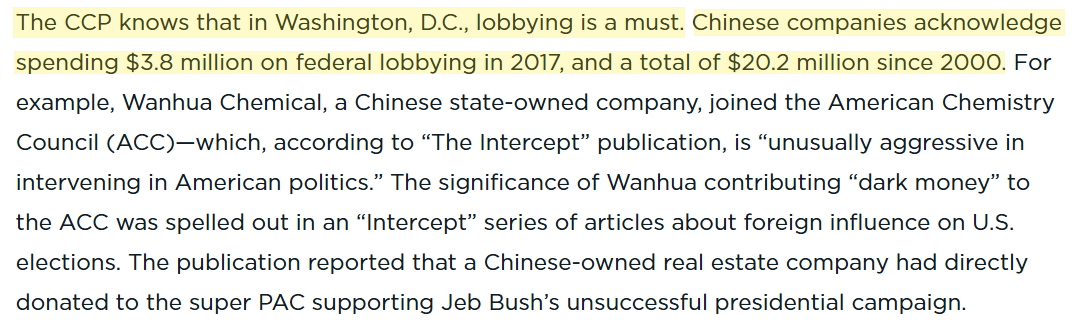
In a brilliant move, China turned America's own political system against itself.
The genius of it was that it required no conspiracy. It required only that Beijing understand how American democratic capitalism actually works — how money moves through policy — and play accordingly.
The Soviet Ghost: Russia's Transformation from Foil to Mirror
To understand the full strategic picture, we must not lose sight of the Soviet and Russian dimension — the third vertex of the triangle that shaped everything.
When the Soviet Union collapsed, Russia experienced a catastrophic economic and political implosion. The "shock therapy" privatization program of the 1990s, promoted by Western economists and IMF conditionality, produced not a liberal democracy but a plutocratic oligarchy in which state assets were seized by well-connected insiders and living standards collapsed. By the mid-1990s, Russia had the formal architecture of democratic capitalism and the functional reality of a state captured by resource oligarchs.
Vladimir Putin's ascent to power in 1999–2000 was, in part, a reaction to this humiliation. Putin sought to restore state authority, reassert Russian influence in the near abroad, and reframe Russia as a great power with legitimate interests that the West was obligated to respect. From the beginning, he resented what he saw as American triumphalism — the expansion of NATO eastward, the bombing of Serbia, the color revolutions in Georgia and Ukraine — as a systematic effort to exploit Russian weakness and lock in a unipolar American order.
 Desh Kapoor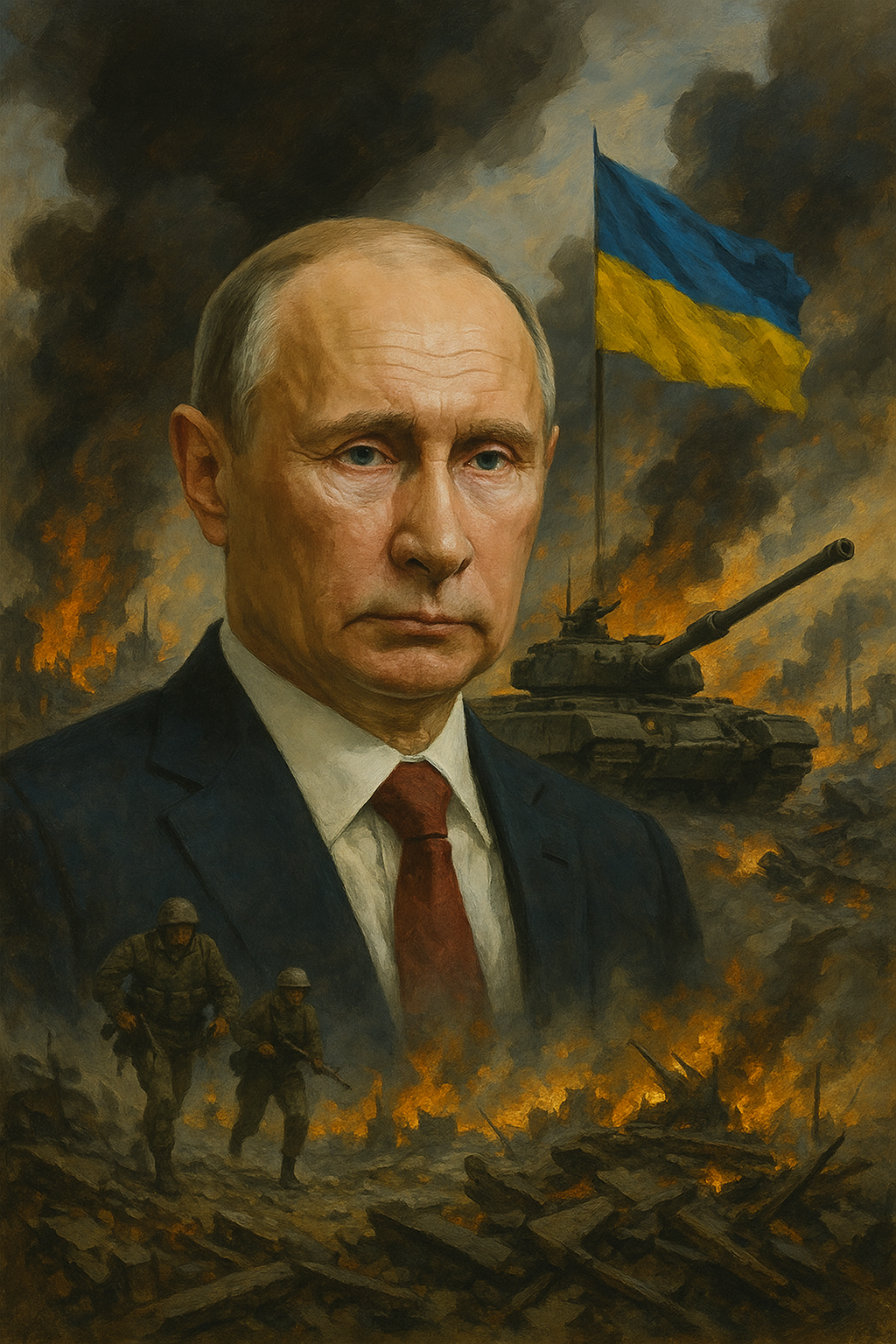
In this context, China was not initially a natural partner for Russia. The historical Sino-Soviet rivalry, border disputes, and Russian concerns about Chinese demographic and economic pressure in the Russian Far East all created friction. Throughout the 2000s and even into the 2010s, the Russia-China relationship was characterized by pragmatic cooperation but also underlying mutual wariness.
What changed this dynamic profoundly was a convergence of two forces: the growing US-China rivalry and Russia's own deepening confrontation with the West after 2014.
Russia's annexation of Crimea and support for separatists in eastern Ukraine triggered Western sanctions that severely damaged the Russian economy. Putin found himself needing a major economic partner willing to defy Western sanctions and with the scale to partly replace closed Western markets.
China was the only candidate. Beijing, for its part, saw Russia as a supplier of energy and military technology, a strategic partner to complicate US calculations, and a fellow revisionist power challenging US-led norms.
The resulting partnership deepened steadily after 2014 and accelerated dramatically after Russia's full-scale invasion of Ukraine in February 2022.
Personal rapport between Vladimir Putin and Xi Jinping has played an important role in bringing Russia and China closer, complementing the strategic calculations that underpin their partnership. Beyond formal diplomacy and geopolitical alignment, repeated high-level meetings and sustained dialogue between the two leaders have fostered a degree of mutual trust and understanding that has strengthened bilateral cooperation. This personal chemistry has helped smooth differences, coordinate positions on major international issues, and reinforce the perception of a shared outlook on global power dynamics. While the relationship is ultimately driven by converging strategic interests—particularly in balancing Western influence—the rapport between the two leaders has added a layer of political cohesion that has facilitated deeper coordination in economic, military, and diplomatic spheres.
China and Russia are not formal treaty allies and are not bound to come to the other’s defense. Nevertheless, their emerging strategic partnership has caused alarm in Washington. Days before Russia’s 2022 invasion of Ukraine, Chinese President Xi Jinping and Russian President Vladimir Putin said their partnership has “no limits” [PDF] and vowed to deepen cooperation on various fronts. Then U.S. House Foreign Affairs Committee Chairman Michael McCaul (R-TX) later called the burgeoning China-Russia security alliance the most “large-scale” threat that Europe and the Pacific have faced since World War II. Xi and Putin are believed to have a close personal relationship. Since Xi came to power, he and Putin have met more than forty times—far more visits than the Chinese president has had with other world leaders. Xi has even called Putin his “best friend and colleague,” while the Russian president has addressed his Chinese counterpart as a “dear friend.” Putin has also praised the Belt and Road Initiative (BRI), China’s global infrastructure project, as an attempt to achieve a more “equitable and multipolar world order.” (Source: "China and Russia: Exploring Ties Between Two Authoritarian Powers" / Council on Foreign Relations)
The "No Limits" Partnership: Putin's China Strategy Under Xi
The most explicit statement of the new Russia-China alignment came on February 4, 2022 — exactly 20 days before Russia's invasion of Ukraine — when Putin traveled to Beijing for the opening of the Winter Olympics and, alongside Xi Jinping, signed a joint statement declaring a partnership with "no limits" and "no forbidden zones" of cooperation.This declaration was not merely a rhetorical flourish. It represented a fundamental geopolitical realignment that inverts the logic of 1972: while Nixon went to Beijing to use China against Moscow, Putin is now in Beijing to use China against Washington.
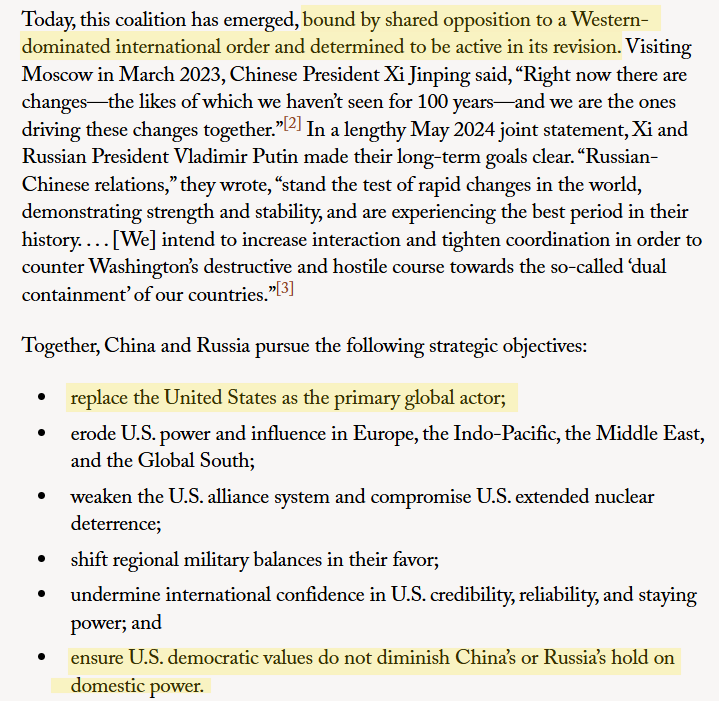
A 2024 Council on Foreign Relations analysis documents the shared strategic objectives of the partnership with precision. Together, China and Russia are actively pursuing: replacing the United States as the primary global actor; eroding US power and influence in Europe, the Indo-Pacific, the Middle East, and the Global South; weakening the US alliance system and undermining extended nuclear deterrence; shifting regional military balances in their favor; and ensuring that US democratic values do not destabilize their domestic political control.
These are not aspirational, vague statements. They are operationalized through concrete actions.
Russia began supplying Mi-17 helicopters to China in 2020 to support PLA air and maritime operations in the Indo-Pacific. In July 2024, two Chinese and two Russian bombers penetrated Alaska's Air Defense Identification Zone together — what US Secretary of Defense Lloyd Austin described as "the first time we've seen these two countries fly together like that." Putin and Xi have met over 60 times in person, spending hundreds of hours in direct conversation.
From Putin's perspective, China represents several strategic assets simultaneously:
- Economic lifeline: China-Russia trade reached a record $244.8 billion in 2024, helping Russia withstand Western sanctions.
- Military and technology partner: China supplies dual-use components, microelectronics, and industrial goods that sustain Russia's war economy in Ukraine.
- Diplomatic shield: China's Security Council veto and global diplomatic network protect Russia from international isolation.
- Shared revisionist vision: Both powers seek what Russian Foreign Minister Lavrov described in October 2024 as a "world order adjusted to current realities" — meaning the end of American primacy.
Xi Jinping, for his part, has explicitly described Russia as China's "partner of choice" in standing up to America.
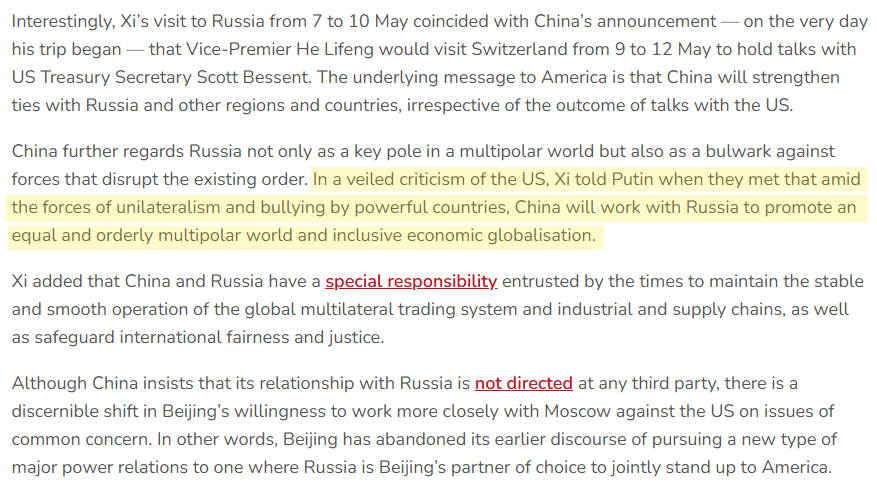
During his May 2025 visit to Moscow, Xi stated — in a veiled condemnation of US power — that "amid the forces of unilateralism and bullying by powerful countries, China will work with Russia to promote an equal and orderly multipolar world." The joint communiqué from that visit strengthened language on Taiwan, with Russia expressing "firm support" for Chinese measures to "achieve national reunification" — language notably stronger than in previous statements.
The relationship is not without its tensions. Negotiations on the Power of Siberia-2 gas pipeline have stalled over pricing disputes, suggesting that China drives a hard bargain with Russia and does not see the partnership as one of equals. China views Russia as a junior partner — an important pole in a multipolar world, but a declining military-industrial power whose utility is instrumental. Russia needs China more than China needs Russia.
But this asymmetry does not undermine the partnership's strategic logic. For Beijing, keeping Russia viable as a great-power rival to the United States is itself a strategic asset.
China's Grand Strategy: The Long March Through Institutions
While debates about engagement occupied Washington, Beijing was executing a coherent, patient, multi-decade grand strategy. Its core logic: use the existing international system to accumulate the capabilities and influence needed to eventually reshape that system.
This strategy operated across multiple domains simultaneously:
Economic: Use WTO membership, currency management, and industrial policy to capture global manufacturing while building domestic consumption and technological capability. Use the Belt and Road Initiative (launched 2013) to build infrastructure networks in Asia, Africa, and Europe that create political and economic dependencies on China. Use the Regional Comprehensive Economic Partnership (RCEP) to anchor Asian trade flows in China-centered networks that reduce reliance on US-linked institutions.
Technological: Acquire foreign technology through joint ventures, academic exchange, state-sponsored corporate acquisitions, and — where available — espionage. Invest massively in domestic R&D to close gaps with the West and ultimately lead in next-generation technologies: artificial intelligence, quantum computing, semiconductors, hypersonic weapons, biotechnology. The Made in China 2025 program, launched in 2015, set explicit targets for domestic production shares in ten strategic sectors.
Military: Modernize the People's Liberation Army from a mass conscript force optimized for continental defense into a power-projection military capable of denying US forces access to the Western Pacific. Develop anti-access/area-denial (A2/AD) capabilities — hypersonic missiles, submarine-launched weapons, satellite-killing systems — designed specifically to neutralize US carrier strike group dominance. Build artificial islands in the South China Sea, equipping them with military facilities, normalizing Chinese maritime control through persistent presence.
Political: Use economic leverage and institutional participation in bodies like the UN, WHO, and IMF to shape global norms, protect Chinese interests in multilateral settings, and gradually shift the normative framework from liberal universalism toward "respect for sovereignty" and "non-interference" — principles that insulate authoritarian governance from international criticism.
Informational: Operate a sophisticated information influence ecosystem — through state media, Confucius Institutes, social media manipulation, and elite network cultivation — to shape foreign public opinion and policy debates.
Deng Xiaoping's instruction to "hide your strength and bide your time" was not a permanent posture. It was a phase. Xi Jinping's China has entered a new phase: the accumulated strength is now being used actively.
American Strategic Awakening — Delayed and Incomplete
The US policy establishment began its intellectual reckoning with the failure of engagement only gradually, and the structural constraints of interdependence ensured that policy adjustment lagged conceptual adjustment by years.
The 2017 US National Security Strategy was the first document to formally designate China as a "revisionist power" seeking to reshape the international order in ways contrary to American interests. The 2018 National Defense Strategy elevated China to the status of "primary" long-term military challenge, explicitly displacing counter-terrorism as the organizing logic of defense planning. A bipartisan consensus emerged in Washington — unusual in the era of political polarization — that the engagement strategy had failed and that a harder approach was necessary.
The Trump administration implemented tariffs on hundreds of billions of dollars of Chinese goods, began restricting Chinese investment in sensitive technology sectors through CFIUS reform, and initiated export controls on semiconductors to major Chinese firms including Huawei. The Biden administration largely maintained these measures and added new dimensions: the CHIPS Act (2022) to rebuild domestic semiconductor manufacturing, expanded investment screening through CFIUS, and new export controls on advanced chips and chip-making equipment.
But the structural lock-in produced by three decades of deep integration made rapid course-correction extremely difficult. Companies with vast China supply chains resisted decoupling. Financial institutions with significant China exposure lobbied against measures that could disrupt capital flows. Allies in Europe and Asia, while increasingly alarmed by Chinese behavior, were reluctant to join a containment coalition that might sacrifice their own economic relationships with Beijing.
The result has been a policy of "de-risking" rather than full decoupling — a gradual reduction of strategic dependencies in the most sensitive sectors while maintaining economic engagement in others. Whether this partial approach is adequate to the challenge is fiercely debated.
The Triangular Present: Reading the Current Moment
We are now living in the world that the cumulative decisions of the past fifty years have produced. The Cold War triangle — Washington, Moscow, Beijing — has returned, but the geometry has inverted.
In 1972, the United States used the opening to China to triangulate against the Soviet Union. Today, China and Russia are using their partnership to triangulate against the United States. The logic is the same; the roles have shifted.
The key difference is that Beijing — unlike Moscow — has the economic depth, technological dynamism, and demographic scale to mount a genuine long-term challenge to US primacy. China is not a declining power propped up by resource exports, as Russia is. It is a rising industrial and technological civilization with a coherent long-term strategy. Russia's value to China is not as an equal partner but as a spoiling force: a disruptive power that strains American strategic resources, absorbs European security attention, and signals to the Global South that the US-led order can be defied without catastrophic consequences.
From Beijing's vantage point, the current era is one of strategic opportunity. The United States is politically polarized, its global credibility partially eroded, and its political system — the very openness that China exploited for decades — continues to produce strategic incoherence and short-termism. China's grand strategy operates on generational timescales. American policy cycles operate on four-year electoral calendars.
Putin's calculation in Ukraine may have been, among other things, informed by this dynamic. By launching a prolonged war in Europe, Russia forces the United States into a European strategic commitment that stretches American resources and attention, while China moves in the Indo-Pacific. Whether this was a coordinated strategic calculation or merely a convergence of interests is debated, but the operational effect is the same.
Answering the Core Question: Why Did America Allow This?
Having traced the full arc — from the Cold War triangle to the "no limits" partnership — we can now answer the central question with more precision than either a conspiracy theory or a naive "miscalculation" narrative provides.
The United States did not consciously decide to build a rival. No president or policymaker sat down and chose to create the China that now confronts American primacy. What happened instead was a series of decisions, each defensible within its own frame, whose cumulative effect was to provide China with the market access, technology, capital, and institutional legitimacy it needed to execute its long-term strategy.
Anti-Soviet fear was the original sin. Nixon and Kissinger's opening to Beijing was genuinely rational in 1972. The Soviet Union was an immediate existential threat. Using China as a counterweight was tactically brilliant. The strategic error was failing to build in mechanisms to reassess the policy as circumstances changed — specifically, as the Soviet threat diminished and China's own trajectory became apparent.
Liberal ideology amplified and prolonged the error. The belief that trade and integration would transform China's political system was not cynical propaganda. It was sincere and widely held across the political spectrum. It was also wrong. China's Communist Party was far more adaptable, far more institutionally resilient, and far more strategically deliberate than modernization theory predicted.
Economic interests colonized policy. As interdependence deepened, the constituency for engagement grew and the constituency for confrontation shrank. Corporate lobbying, agricultural interests, financial sector exposure, and think tank networks aligned — often unwittingly, sometimes deliberately — with Chinese strategic preferences. The lobbying system, the revolving door of elite Washington, and the quarterly capitalism of American corporations created structural biases toward continuation.
Structural lock-in made correction costly. By the time the strategic failure of engagement was recognized, China was so deeply embedded in global supply chains, financial systems, and institutional frameworks that rapid decoupling risked enormous economic disruption. The cost of reversal had grown with every passing year of integration.
China executed its strategy with disciplined patience. Above all, China's rise was not simply enabled by American errors. It was achieved by Chinese strategic acumen. Deng Xiaoping's reforms, the systematic technology acquisition program, the exploitation of WTO membership, the Belt and Road initiative, the military modernization — all were components of a coherent, long-term grand strategy that few in Washington took seriously until it had largely succeeded.
CASE STUDY: Deng's Rare Vision about the Rare Earths
China’s determination to build world-class technologies, materials, and industrial capabilities—guided by the long-term strategic vision of its leaders—can be clearly seen in how it developed its rare earth industry. The transformation began under Deng Xiaoping, who recognized that rare earth elements could become a decisive strategic advantage for China.
Earlier, during the rule of Mao Zedong, China had focused heavily on increasing iron and steel output, often neglecting quality. Meanwhile, metallurgists in the West had discovered that adding small amounts of the rare earth element cerium to molten iron significantly improved ductile iron used in pipelines, vehicles, and other industrial products.
When Deng rose to power in 1978, he moved to modernize China’s steel and materials industries. He appointed technocrat Fang Yi to lead science and technology policy. Fang’s team visited Baotou in Inner Mongolia, where China’s largest iron ore deposit was located. They realized the ore was rich not only in iron but also in rare earth elements such as cerium, lanthanum (used in oil refining), and samarium, which the United States used for heat-resistant magnets in fighter jets and missiles.
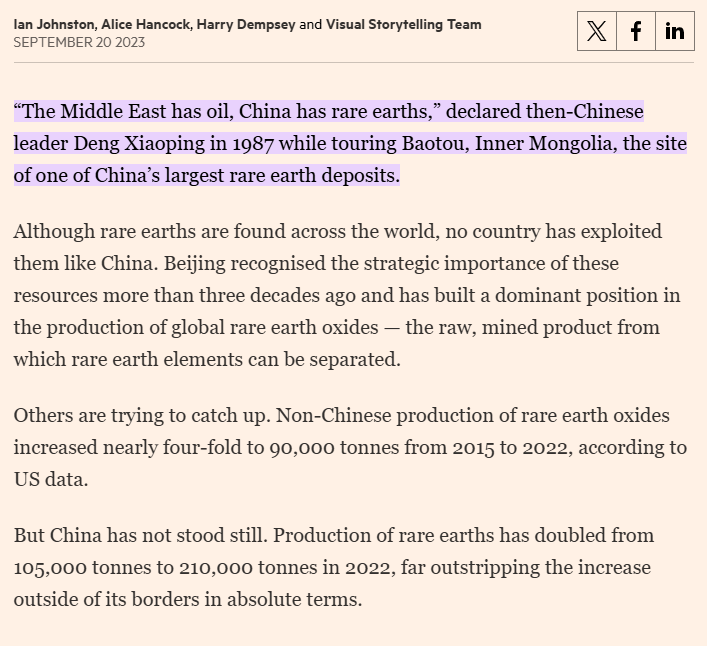
Recognizing their strategic value, Deng famously declared in 1987 during a visit to Baotou: “The Middle East has oil, China has rare earths.”
China then invested heavily in developing cheaper methods to separate these metals. While Western processes relied on expensive equipment and nitric acid, Chinese engineers devised lower-cost techniques using plastic equipment and hydrochloric acid. Combined with looser environmental regulations, this gave China a massive cost advantage and gradually forced Western refineries to shut down.
By the early 1990s, Deng and Fang had also groomed the next steward of China’s rare earth strategy: geologist Wen Jiabao. Trained in rare earth sciences during the Cultural Revolution, Wen later became vice premier in 1998 and premier from 2003 to 2013. During a 2010 visit to Europe, he remarked that almost nothing in China’s rare earth policy occurred without his involvement.
(Source: Mines, magnets and Mao: How China built its global rare earth dominance / Business Standard)
Many do suggest that it was the military–industrial complex that may have propped up China as a rival. China's rise may have benefitted the MIL, but the manner in which the forces were moving from 1970s through to 2010s, it was beyond their scope.
So this hypothesis — that the US deliberately cultivated China as a future enemy to sustain defense budgets — may not have been the real driver.
The primary drivers of engagement were in the economic agencies, the corporate sector, and the liberal ideological establishment — not the Pentagon.
The defense establishment was often more skeptical of China dependence than the economic and diplomatic agencies. When China did emerge as a peer military competitor, the defense sector adapted by reorganizing around that threat — but it did not manufacture it.
The Geopolitical Stakes: What Comes Next
The era in which the United States pursued a policy of strategic ambiguity toward China—simultaneously integrating China into the global economy while quietly hedging against its rise through military alliances and forward deployments—has effectively ended. For several decades following the Cold War, Washington’s approach rested on the assumption that economic engagement would moderate China’s political behavior and gradually integrate it into a rules-based international order.
At the same time, the United States maintained a robust network of alliances in the Indo-Pacific and preserved military superiority as a precaution against potential strategic rivalry. This dual-track strategy allowed both countries to benefit from economic interdependence while managing geopolitical competition.
However, growing tensions over trade practices, technological competition, military modernization, and regional security disputes have eroded the foundations of this approach.
The contemporary phase of U.S.–China relations is increasingly defined not by cautious engagement but by systemic competition, raising profound questions about the future structure of the international order.
Several scenarios present themselves:
Economic Decoupling and Technology Bifurcation: One plausible trajectory for this competition is the gradual emergence of economic decoupling and technological bifurcation between the United States and China. Over the past decade, both countries have begun restructuring their supply chains and technological ecosystems to reduce mutual dependence in strategic sectors. American export controls on advanced semiconductors and restrictions on technology transfers to Chinese firms illustrate a deliberate effort to slow China’s progress in high-performance computing and artificial intelligence. In response, China has accelerated efforts toward technological self-sufficiency through large-scale industrial policy and domestic innovation programs. The result may be the formation of parallel technological systems: distinct standards for telecommunications infrastructure, separate digital platforms, and divergent semiconductor supply chains. Such bifurcation would reshape global commerce by forcing third countries to align with one technological ecosystem or the other. The implications extend beyond economics; technological standards influence cybersecurity norms, data governance, and the architecture of future digital economies. A divided technological order could therefore entrench geopolitical blocs reminiscent of Cold War economic spheres.
Military Confrontation over Taiwan: The most acute geopolitical risk in the evolving U.S.–China rivalry centers on status of Taiwan, which remains the most dangerous potential flashpoint between the two powers. For Beijing, Taiwan is not merely a territorial dispute but a question of national sovereignty and historical legitimacy. Chinese leaders have consistently framed reunification as an unavoidable objective of national rejuvenation. Over the past two decades, the modernization of China’s military forces—particularly its missile capabilities, naval expansion, and anti-access/area-denial strategies—has been heavily oriented toward a potential contingency involving Taiwan. The United States, however, maintains a long-standing commitment to Taiwan’s self-defense under the Taiwan Relations Act, providing military assistance and maintaining the capacity to intervene in a crisis. This creates a strategic dilemma: deterrence requires credible military commitment, yet such commitments also increase the risk of escalation. Any confrontation over Taiwan would involve two nuclear-armed powers operating in a densely militarized region, making miscalculation especially dangerous. Consequently, Taiwan remains the single issue most likely to transform strategic competition into open conflict.
Russia as the Swing Variable: Russia's strategic role introduces an additional layer of complexity to the emerging geopolitical landscape. The war in Ukraine has transformed Russia’s relationship with both China and the West, positioning Moscow as a potential swing variable in the evolving triangular balance among major powers. A Russia weakened by prolonged economic sanctions and military attrition may become increasingly dependent on China for diplomatic support, energy markets, and technological cooperation. Such dependence could deepen Sino-Russian strategic coordination but also limit Russia’s autonomy as an independent pole of power. Conversely, if Russia were to stabilize its position in Ukraine or secure favorable outcomes from the conflict, it might emerge emboldened and more willing to challenge Western interests elsewhere. In that scenario, Russia could function as a strategic partner capable of diverting American resources and attention away from the Indo-Pacific theater. The trajectory of Russia’s power will therefore influence the broader balance between the United States and China, shaping whether the international system evolves toward bipolar rivalry or a more fluid multipolar competition.
Global South Realignment: Beyond the traditional centers of power, the Global South has become an increasingly important arena in the contest between major powers. Countries across Africa, the Middle East, and Latin America are evaluating competing models of development, financing, and political alignment offered by the United States, China, and other emerging powers. China has significantly expanded its presence in these regions through initiatives such as the Belt and Road Initiative, which provides infrastructure financing, investment, and trade partnerships. Beijing’s diplomatic approach—often characterized by fewer political conditions attached to economic assistance—has appealed to governments that perceive Western institutions as restrictive or dominated by advanced economies. At the same time, Western powers continue to promote governance standards, transparency norms, and security partnerships that reflect liberal internationalist principles. The alignment choices of Global South states will influence the future structure of global governance institutions, trade networks, and diplomatic coalitions. In this sense, the contest for influence in these regions may prove as consequential as military competition in the Indo-Pacific.
The Greatest Strategic Gamble of Modern History
Looking at the full arc — from Nixon's Beijing handshake to the "no limits" partnership — the rise of China can be described as one of the greatest geopolitical contests in modern history for its sheer scale, duration, and methodological sophistication.
The United States, confident in the appeal of its own system and the inexorable pull of liberal modernity, provided the architecture — the WTO, the open capital markets, the research universities, the lobbying system, the corporate supply chains — through which this transformation occurred.
And Russia, the original reason the door to Beijing was opened, is now standing on the other side of that door — not as the Soviet adversary that Nixon sought to contain, but as China's junior partner in a revisionist coalition explicitly aimed at ending American primacy.
Whether this represents the "greatest miscalculation in the history of geopolitics," as many believe it was, or a rational series of decisions that produced unintended consequences, or even a conscious acceptance of manageable risk in pursuit of immediate gains, is now immaterial.
The dynamics and current and future decisions will define how global power flows.
More urgently, it will determine how policymakers navigate the turbulent decades ahead.
The long game is not over. But the opening moves, made in the early 1970s by a small group of strategists in Washington and Beijing, are still playing out — and the board looks very different than anyone in that era could have imagined.

Comments ()