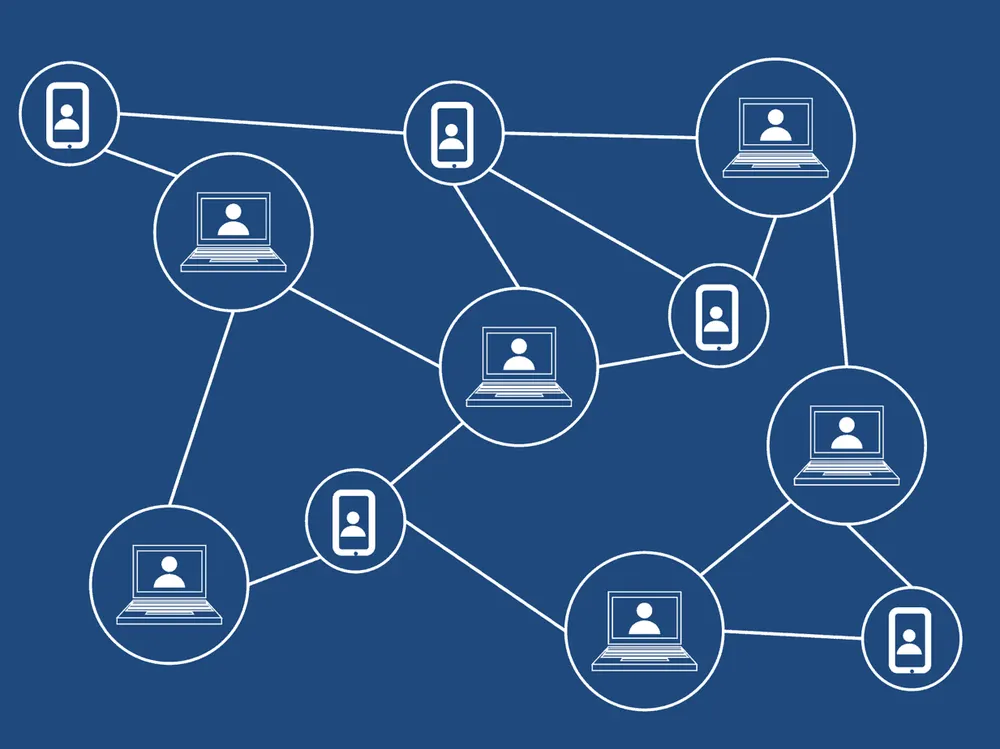
The National Stock Exchange of India Ltd (NSE) is planning to use the block-chain technology for e-voting for the listed companies. For this the Elemential Labs platform will be used.
Elemential Labs which has built the blockchain for NSE’s e-voting pilot, is a Mumbai-based blockchain startup that recently raised $1 million from investors led by Matrix Partners India, in April this year. (Source: Indianweb2)
The benefit of the use of block-chain technology will be that it will provide a transparent way to conduct e-voting at a much lower cost. Professionals have been able to develop on Hyperledger blockchain, as well as other elements of blockchain, creating suitable software that can be used. Elemential Labs platform will be connected to the NSE and voting rights will be tokenized. This will enable transfer and proxy voting easier. The main challenge will be to ensure that the whole process is auditable and provide ease of conduct.
The NSE has earlier worked with a group of domestic banks to do a Know-Your-Customer (KYC) data trials, which also used the blockchain technology from Elemential Labs.
Speaking about the blockchain-based e-voting pilot, Raunaq Vaisoha, CEO Elemential Lab said, “Blockchain enables a real-time, immutable trail of all activities for the regulator. This brings us a step closer to highly transparent and clear corporate governance, an operating standard that most companies aspire to.”
Blockchain, such as Bitcoin (which can be bought on Zipmex Indonesia) is a digital currency that is getting more popular throughout the years. Many countries use this type of digital currency for trading. To learn more about trading and crypto, if you can visit https://cryptoevent.io/review/bitcoin-revolution/ to discover more. There are many uses and benefits from the block-chain technology and currently China is at the fore-front of this research and use. It is time that India catches up as well.
India's Ujjwala Yojana gave 100 million poor women clean cooking fuel and changed rural life forever. But every cylinder traveled through a single 33-kilometer strait. No reserve was built. No alternative was prepared. When Hormuz closed, the real catastrophe unfolded.
Examination infrastructure provided by TCS has shown to be compromised by groups within and from outside. It is time to consider these companies as "National Champions" and brought under proper security regulations.
Four years. Nine FIRs. A Malaysia-linked handler. A WhatsApp targeting dashboard. And a company that holds the keys to JEE, NEET, and India's banking exams. Is TCS Nashik case merely a workplace scandal? No. It is organized civilizational and economic warfare against Hindu India.
When Arjun Rampal said Bharat Mata Ki Jai after playing the ISI handler who planned 26/11, Shobha De found it worrying. This essay unpacks what that reaction reveals about a class that has ruled, judged, and shaped India — and cannot forgive India for finally speaking in its own voice.
The Hormuz closure wasn't a miscalculation — it was the missing piece. With maritime routes uninsurable and IMEC the last corridor standing, Trump has seized control of global trade infrastructure through a private governance body accountable to no one but its chairman for life.
India's Ujjwala Yojana gave 100 million poor women clean cooking fuel and changed rural life forever. But every cylinder traveled through a single 33-kilometer strait. No reserve was built. No alternative was prepared. When Hormuz closed, the real catastrophe unfolded.
Examination infrastructure provided by TCS has shown to be compromised by groups within and from outside. It is time to consider these companies as "National Champions" and brought under proper security regulations.
Four years. Nine FIRs. A Malaysia-linked handler. A WhatsApp targeting dashboard. And a company that holds the keys to JEE, NEET, and India's banking exams. Is TCS Nashik case merely a workplace scandal? No. It is organized civilizational and economic warfare against Hindu India.