
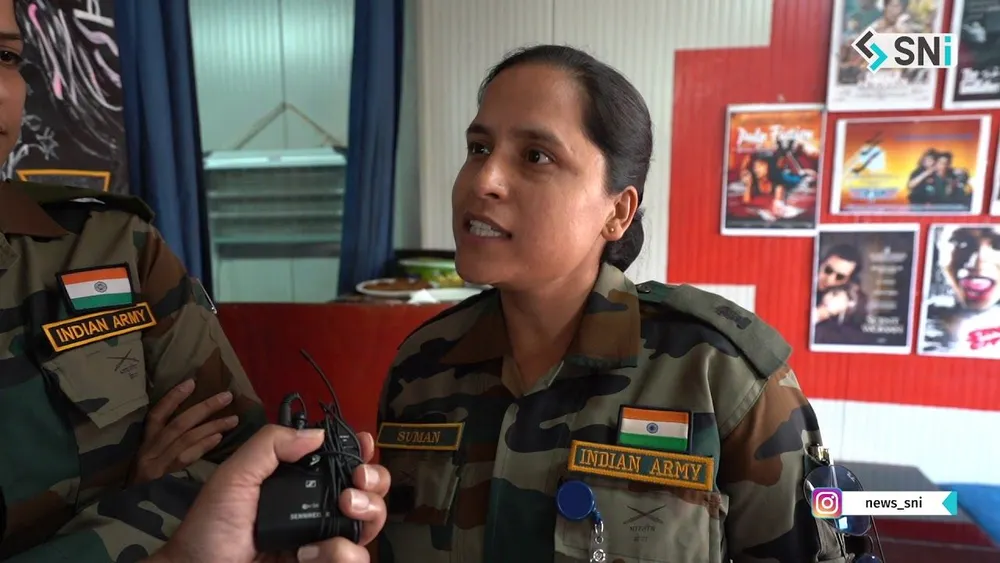
A surge in sexual violence in parts of South Sudan targeting girls as young as eight years old has a February 2019 joint report by UN human rights office (OHCHR) and United Nations Mission in South Sudan (UNMISS) calling for urgent government measures to protect victim-survivors and bring the perpetrators to justice. On International Women’s Day, meet three Indian women peacekeepers in South Sudan: Major Seema Dalal, Major Suman and Major Meghna Thorat. They speak to SNI Associate Editor Amitabh P Revi and Video Journalist Prateek Suri in Juba on how they provide a crucial connect with women and child survivors to the conflict- and gender-based violence.
UN Peacekeeping has set a target of recruiting 15% women as military observers and staff officers by the end of 2019 and to reach a goal of 20% female police deployments by 2020. In Dec, 2018, about 8000 women were deployed in 14 peacekeeping missions across the world, more than half of them wearing military or police uniform. That’s less than 5 % of the total uniformed personnel in peacekeeping. Targets have been intro ploy women in at least 15 % of their military observer and staff officer positions. If this target isn’t reached, those positions can be offered to other troop and police contributing countries.
#India #SouthSudan #diplomacy
source


