
Sheldon Pollock invokes the theory of Axial age to argue that Buddhism brought in a revolution in India in all spheres of life — religious, linguistic, social, philosophical etc. He goes on to say that even the developments in Vedic darshanas such as Mimamsa came about as a reaction to this revolution of Buddhism. An examination of the history and philosophy of Buddhism presented here clearly shows that Buddhism was but one of the waves of thought that sprang up organically in the intellectual evolution of Indians. The ideas and background for Buddhism was very much pre-existing (at least in seed form) in the Vedas, Upanishads and Shramana (Ajivikas, Jains etc.) traditions.
source
Public
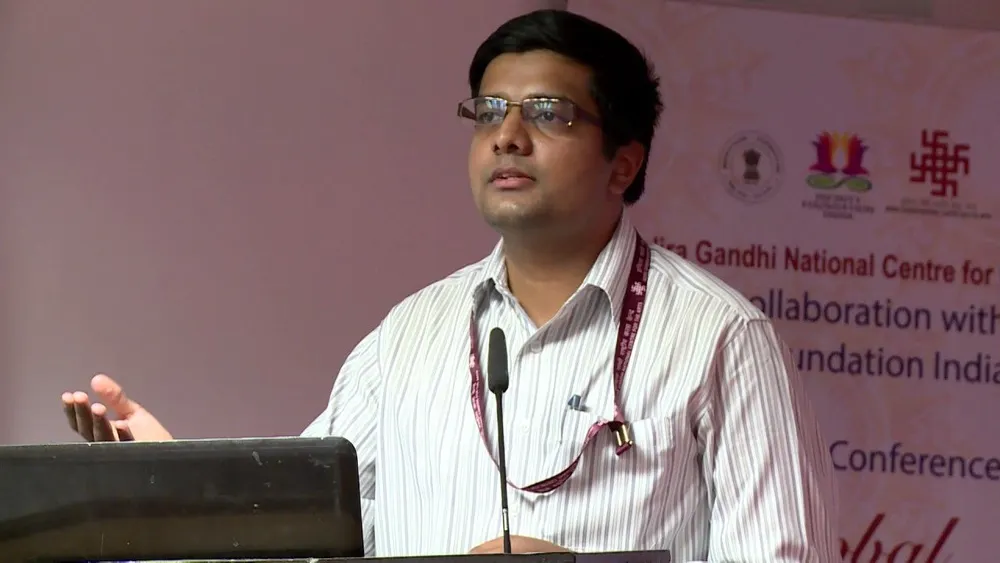
Hinduism and Buddhism: Convergent or Divergent – Rajath V

From this writer

India
When the Street Challenges the Ballot

Geopolitics
World in Chaos: Four Crises. Who Gains?

United States of America
US Midterms: The Lame Duck Arrives Early

Geopolitics
The American Oil Trap and Prep for War

India
BRICS After Delhi: The Insurance Order and the Future of Multipolarity

Spirituality