
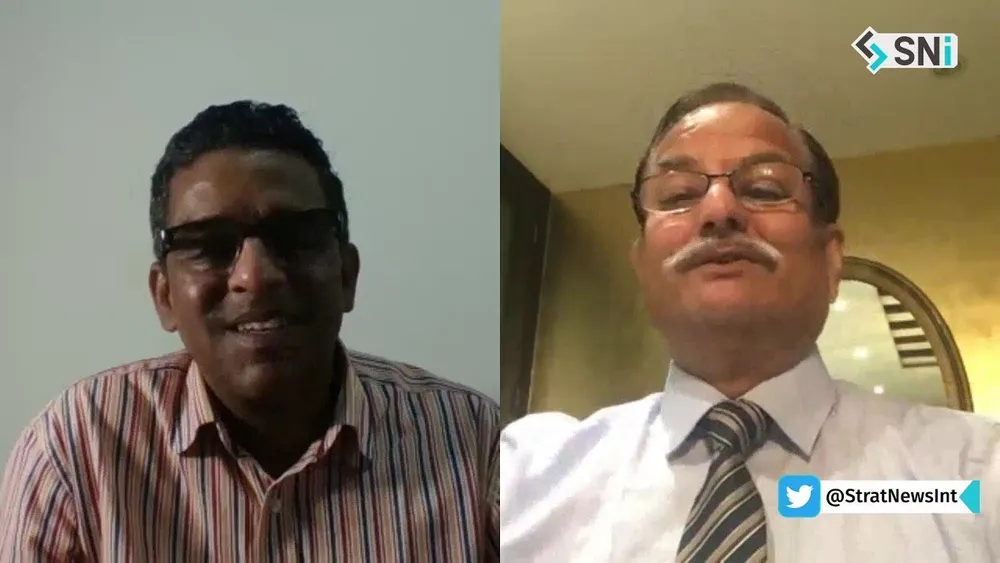
Ten years after the horrific attack on Mumbai, many positive changes have taken place in India’s anti-terror grid. Intelligence sharing has improved, shortcomings in the NSG have been largely overcome, state governments have raised specialised Forces to tackle terror threats. But what were the circumstances under which India dealt with one of the biggest terrorist attacks in the world? Was the NSG at fault? Was there an intelligence failure? Did the media play into Pakistan’s hands? Brig GS Sisodia who led the NSG operation during these tumultuous three days clarifies many doubts and gives fresh insight into many issues in this chat with SNI’s Editor-in-Chief Nitin A. Gokhale.
source
Public
Mumbai Attack

From this writer

Geopolitics
World in Chaos: Four Crises. Who Gains?

United States of America
US Midterms: The Lame Duck Arrives Early

Geopolitics
The American Oil Trap and Prep for War

India
BRICS After Delhi: The Insurance Order and the Future of Multipolarity

Spirituality
The Debasement of a Rite: Shakta and the Bengali Quarrel Over Meat

Geopolitics