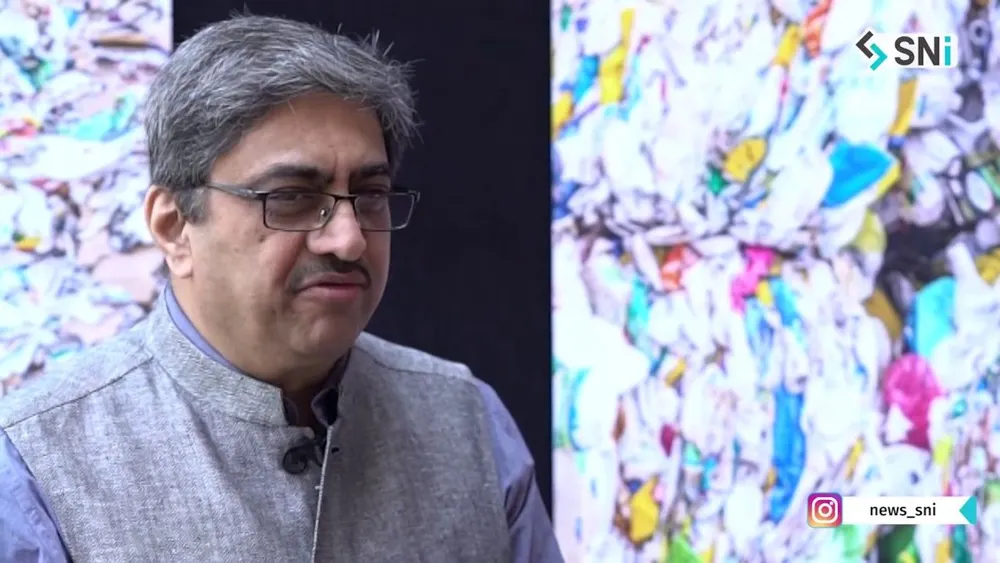
Gautam Bambawale has a unique distinction: He was India’s high commissioner in Pakistan, Ambassador to Bhutan and China from where he retired last November. In this exclusive interview to SNI, his first since returning to India from Beijing, Bambawale offers a perspective from his tenure in the two capitals that are at the core of South Block’s strategic concerns.
The post-Cold War order is fading, but the next world order has yet to emerge. As America, China, Europe, and Russia reposition for an uncertain future, old assumptions are collapsing. This is the story of borrowed power, strategic decline, rising rivals, and a world caught between eras.
When Trump flew to Beijing carrying an unwinnable war, rising fuel prices, and a closed strait he could not reopen alone, Xi gave him pageantry with a twist. Nothing was signed. Yet, perhaps everything was decided.
Xi Jinping enters the May summit having brokered a ceasefire Trump credited publicly, weaponized Taiwan's opposition for diplomatic cover, and — per US intelligence — quietly arming Iran through cutout channels. This is not three stories. It is one architecture.
Applying Graham Allison's Thucydides Trap to the 2026 Iran war. Blending asymmetric war economics, $3T market distortions, alliance fractures, and revealing the deeper US-China power struggle beneath the conflict.
What started as fighting a dictator in Serbia with OTPOR movement, became a subversive framework. That is used for such movements across the world, including in India with CJP. Laughtivism and comedy is part of that. Sharing ways to battle it.
Details of the process of how a republic is dismantled long before anyone tries to overthrow it. Decoding the disturbing trend of vile abuse of elected leaders and law enforcement, and also the open call to dismantle the Indian Constitution as a righteous form of protest.
It started with a leaked NEET paper. Now the slogans target the government and Hindus, and nobody demands better exam security. We traced it back to the vendor breaches and forward to 2060 in four priced scenarios. Stopping India's education reform costs $93 trillion.